Table of Contents
- Deep Breathing Exercises
- Progressive Muscle Relaxation
- Guided Imagery
- Mindfulness Meditation
- Physical Activity
- Yoga and Tai Chi
- Time in Nature
- Healthy Lifestyle Choices
- Conclusion
In modern society, stress is nearly unavoidable, but managing it effectively can transform both physical and mental health. The ability to relax and give yourself space to recharge leads to greater resilience, sharper focus, and improved mood. Everyday routines, personal responsibilities, and fast-paced digital culture can make finding time for yourself challenging. That is why it is beneficial to discover simple strategies, like spa gift certificates in Vancouver WA, to help prioritize moments of rest and reflection. Prioritizing relaxation does not require drastic changes or lengthy time commitments. Even a few minutes devoted to thoughtful relaxation techniques can help you reset, restore balance, and prevent chronic stress from harming your health. This article will guide you through several tried-and-true methods to foster calm and support a healthier lifestyle over the long term. Whether you are managing daily stress or looking to optimize your overall well-being, there are accessible, evidence-based options that can fit any schedule.
True relaxation is rooted in more than just temporary escapes. It is best cultivated by developing practical habits that support your mental, physical, and emotional needs. Approaching relaxation holistically gives you the tools to manage stressful moments in healthier ways, rebuild your sense of control, and nurture your body and mind. Scientific research highlights how intentional relaxation techniques can reduce anxiety and even help lower blood pressure, according to the Mayo Clinic. Starting small is often the most approachable way to create long-lasting change. For example, incorporating a short, gentle breathing exercise can quickly ease tension and lay a foundation for other forms of self-care. Exploring different relaxation modalities, from movement-based practices to stillness and reflection, enables you to find a rhythm that suits your unique needs and preferences.
Deep Breathing Exercises
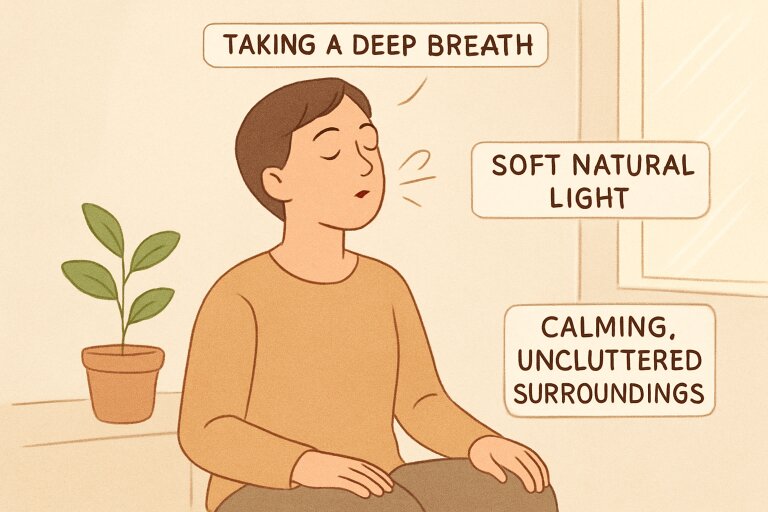
Deep breathing exercises are among the simplest and most versatile tools for relaxation. By intentionally slowing your breath and focusing on each inhale and exhale, you stimulate your parasympathetic nervous system. This triggers the body’s natural relaxation response, easing muscle tension and quieting the mind. One effective technique is the 4-7-8 method: inhale through your nose for 4 seconds, hold for 7 seconds, then exhale through your mouth for 8 seconds. Regularly practicing deep breathing reduces anxiety levels and promotes greater emotional balance. You can use these techniques almost anywhere, in the car, at your desk, or before bedtime, to create pockets of calm throughout your day.
Progressive Muscle Relaxation
Progressive muscle relaxation (PMR) introduces a systematic approach to relieving built-up physical tension. Starting from your toes and moving up toward your head, you consciously tense each muscle group for several seconds before releasing and observing the sensation of letting go. This process not only reduces discomfort but also improves body awareness. Polymyalgia Rheumatica (PMR) can help people with chronic stress or insomnia benefit from better quality sleep and enhanced mood. Practicing PMR at the end of the day can signal to your body that it is time to unwind and rest.
Guided Imagery
Guided imagery is a mental exercise in which vivid sensory input helps you mentally “travel” to a place of comfort and safety. By listening to a recording or following along with a script, you immerse yourself in imagining soothing environments, such as a quiet beach or a tranquil forest. This visualization shifts your attention away from sources of stress and invokes powerful calming cues in the brain. Guided imagery can be practiced alone, with a therapist, or via smartphone apps that offer scripts for different purposes such as improving sleep, boosting confidence, or relieving anxiety.
Mindfulness Meditation
Mindfulness meditation focuses on being present in the moment, acknowledging thoughts and feelings without judgment. Research shows that even ten minutes of mindfulness meditation each day can substantially reduce symptoms of anxiety and support better overall mental health. Routine mindfulness practice encourages awareness and acceptance, whether you are quietly sitting, taking deep breaths, or engaging in mindful eating. Integrating brief mindfulness sessions into your routine can help reshape your relationship with stress and lay the foundation for more mindful living throughout your day.
Physical Activity
Moderate physical movement, such as walking, cycling, or dancing, prompts the body to release endorphins, natural chemicals that reduce stress and promote feelings of happiness. Exercise benefits both physical health and emotional resilience. Regular aerobic exercise can improve sleep, increase energy levels, and lower symptoms of mild depression. If high-intensity workouts are not appealing, even a brief 30-minute walk outdoors can provide a meaningful reduction in anxious feelings and promote relaxation.
Yoga and Tai Chi
Yoga and tai chi are time-tested practices that blend physical movement, breath awareness, and meditative attention. Both disciplines support better posture, flexibility, and balance in addition to soothing the mind. Joining a class or following along with video instruction can create a sense of community and accountability, while regular practice is linked to reduced stress and improved self-esteem. People of all skill levels can benefit from starting slowly and working with movements that feel comfortable and natural to their bodies.
Time in Nature
Nature itself can be profoundly healing. Research consistently demonstrates that time spent in green spaces, such as local parks, gardens, or nature reserves, helps reduce feelings of tension, anger, and fatigue. Immersing yourself in natural surroundings, even for brief periods, allows your mind to disconnect from daily distractions and encourages creativity. The National Geographic highlights that spending at least two hours per week outdoors, whether walking, running, or simply sitting with the sights and sounds of nature, has measurable positive impacts on health and well-being.
Healthy Lifestyle Choices
Relaxation techniques work best as part of a broader healthy lifestyle. Prioritizing balanced nutrition, establishing a regular sleep schedule, and delegating time for hobbies or personal interests all support better stress management. Good time management prevents overwhelm while giving you more quality moments to relax. When combined with the various relaxation methods discussed, these foundational choices create an environment for lasting health, resilience, and happiness. Making space for relaxation is an investment in your overall quality of life. By exploring and adopting the techniques that resonate most with you, sustainable well-being is comfortably within reach.
Conclusion
Relaxation is not a luxury; it is an essential part of maintaining a healthy, balanced life. By incorporating simple techniques such as deep breathing, mindfulness meditation, physical activity, and time in nature, you can effectively reduce stress and improve both mental and physical well-being. These practices do not require significant time or resources, yet their long-term benefits can be profound. The key is consistency and finding methods that feel natural for you. Whether it’s a few minutes of guided imagery, a calming yoga session, or a quiet walk outdoors, small moments of intentional relaxation can add up to meaningful change. By making relaxation a regular part of your routine and supporting it with healthy lifestyle habits, you create a sustainable path toward greater resilience, improved focus, and a more balanced, fulfilling life.