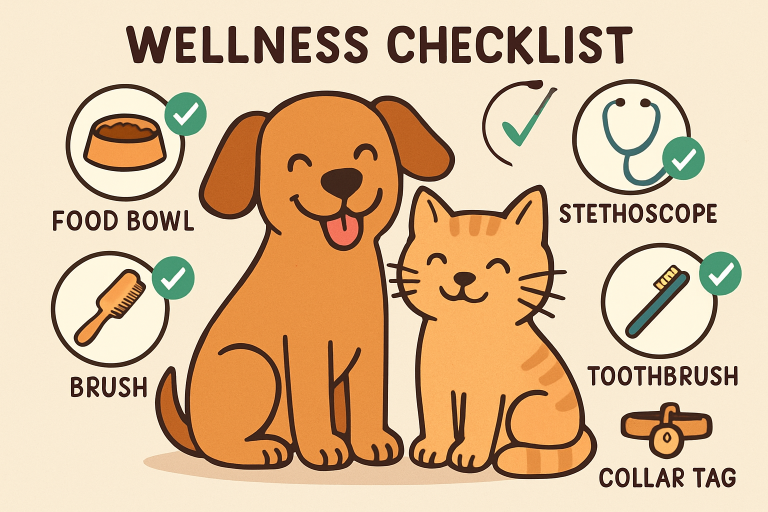
Taking a proactive approach to your pet’s well-being is essential for a long, active, and happy life. Whether you’re a new pet owner or a seasoned pro, following a structured pet wellness care checklist helps ensure no aspect of your dog or cat’s health gets overlooked. Among the first steps is keeping your pet protected through regular pet wellness vaccinations. Combined with routine care and thoughtful planning, you can provide your furry family member with the very best quality of life. From annual exams and tailored nutrition to grooming and dental hygiene, comprehensive attention to wellness solidifies a strong foundation for health. Instilling these habits reduces risks, prevents many diseases, and delivers peace of mind knowing that you’re giving your pet every opportunity for a vibrant, active future.
Vaccinations
Vaccinations are a cornerstone of preventive veterinary care. They safeguard your pets from contagious and potentially fatal illnesses such as rabies, parvovirus, and panleukopenia. Vaccinating puppies and kittens in their early months is crucial, as it establishes their immune defense during their most vulnerable period. After the initial series, ongoing boosters are necessary to maintain high immunity levels. Your veterinarian will create a schedule specific to your pet’s species, lifestyle, and risk factors. The importance of timely vaccines goes beyond individual health—it also helps protect the community and family members from zoonotic diseases. For further information on recommended vaccination timelines and core vs. non-core shots, the ASPCA’s guide on pet vaccinations offers reliable guidelines.
Regular Veterinary Check-Ups
Regular check-ups with your veterinarian are vital for early detection and prevention. These wellness exams occur annually or, for senior pets, biannually. During these visits, a thorough physical examination, weight monitoring, and assessments of diet and behavior are performed. Routine appointments help identify emerging conditions, such as arthritis, dental disease, or metabolic disorders, before they progress. Additionally, your vet may recommend age-appropriate screenings and lab work to monitor organ function and overall health.
Nutrition and Diet
Optimal nutrition is the building block of good health. Pets’ dietary needs vary widely according to age, species, size, and activity level. High-quality commercial pet foods that meet standards set by the Association of American Feed Control Officials (AAFCO) typically ensure balanced nutrition. Avoid giving excessive treats or table scraps, as overfeeding often leads to obesity—a major risk factor for diabetes, joint disease, and other conditions. Consult with your vet to determine the best food type, portion size, and feeding schedule for your pet’s life stage.
Exercise and Mental Stimulation
Both physical activity and mental enrichment are essential for maintaining robust health and promoting positive behavior. Regular daily exercise prevents obesity, strengthens the heart, and reduces anxiety. Tailor walks, runs, or play sessions to your pet’s breed and individual needs. Include interactive toys and training exercises to challenge their mind and ward off boredom-related issues. Activities like puzzle feeders, agility games, and social outings support a balanced lifestyle.
Grooming and Hygiene
Routine grooming removes dead hair, prevents matting, and improves skin circulation. Brush your pet as appropriate for their coat type—some breeds need daily attention, while others do fine with weekly sessions. Bathing should be done with pet-safe products when necessary, as frequent washing can strip the skin of its natural oils. Nail trims, ear cleaning, and inspection for lumps or skin changes are integral parts of a home hygiene routine. Good grooming is not only about looks—it helps catch issues like ticks, hot spots, or infections early.
Dental Care
Oral health is essential for your pet’s comfort and overall well-being. Periodontal disease can cause pain, tooth loss, and even impact heart and kidney health. Brush your pet’s teeth several times weekly with toothpaste formulated for animals, and offer dental treats or toys designed to reduce plaque. Schedule regular dental exams as part of your check-ups to receive professional cleaning and address any hidden issues under the gumline.
Parasite Prevention
Fleas, ticks, heartworms, and intestinal parasites can all threaten your pet’s health. Preventive medications, available through your veterinarian, are critical in shielding your pet from these threats—especially if they spend time outdoors or are exposed to other animals. Your veterinarian will advise you on the proper products and usage schedule, taking into account your region and your pet’s lifestyle. Routine screening for internal parasites should also be included in regular care.
Microchipping and Identification
Identification is your pet’s lifeline if they ever get lost. Microchipping provides a permanent, tamper-resistant form of identification that shelters and clinics can use to reunite pets with their owners. Be sure to keep your contact information up to date in the microchip registry. Also, equip your dog or cat with a secure collar and visible ID tag whenever they’re outside your home, increasing their chance of a quick return.
Building strong wellness habits leads to a longer, healthier, and happier life for your pet. By following this comprehensive care checklist, you can confidently cover the essentials and give your furry companion the best possible foundation for lasting health and well-being.