Key Takeaways
- Prophecies serve as powerful narrative devices that drive plot development and character arcs.
- They explore themes of fate versus free will, adding depth to fantasy narratives.
- Prophecies can create suspense and intrigue, keeping readers engaged.
Introduction to Prophecies in Fantasy
Prophecies have captivated readers for generations, standing as one of the most enduring elements in fantasy literature. They provide a tantalizing glimpse into possible futures while motivating characters to embark on epic journeys. Whether whispered by mysterious oracles or discovered in ancient tomes, prophecies set the stage for stories where destiny and adventure intertwine. Within fantasy short stories, they often serve as vital narrative catalysts that push heroes and heroines forward.
These prophetic messages frequently introduce significant stakes and looming threats, giving shape to the protagonist’s quest. Characters, both heroes and villains, must wrestle with the knowledge of what might come, prompting decisions that impact not just their lives but the fate of entire worlds.
Prophecies as Plot Drivers
In classic and contemporary fantasy alike, prophecies function as the primary narrative engine. They set storylines in motion, influence character choices, and provide the framework for major events. J.R.R. Tolkien’s “The Lord of the Rings” is perhaps the most iconic example, with prophecies woven tightly into the fate of the Ringbearer and the outcome of Middle-earth. Characters act—or refuse to act—based on predictions regarding the destruction of the One Ring, creating momentum that drives the trilogy’s plot from start to finish.
Similarly, Robert Jordan’s “The Wheel of Time” series explores the influence of prophecy on both personal and societal scales. The Prophecies of the Dragon shape the protagonist Rand al’Thor’s journey and the fate of the world. These foretellings do not merely predict outcomes; they generate consequences, uncertainties, and opportunities for transformation at every turn. Powerful prophecies challenge characters, motivating them to confront their pasts, seize their destinies, and sometimes rebel against the very futures foretold.
Exploring Fate and Free Will
One of the most compelling aspects of prophecies in fantasy is their thematic exploration of fate versus free will. Characters constantly grapple with the tension between predetermined paths and the choices they face. This conflict appears in many beloved series, such as “Harry Potter,” where the prophecy connecting Harry and Voldemort sets the stage for a battle that feels both inevitable and shaped by personal agency.
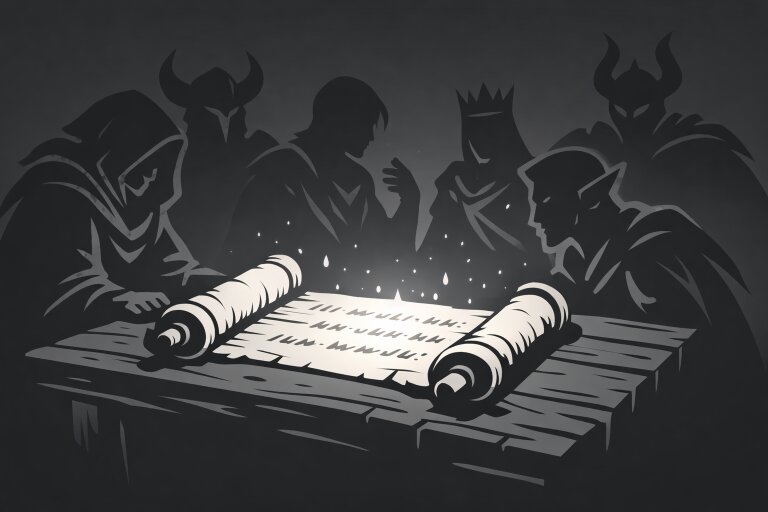
Engaging with prophecy in this way deepens the psychological dimension of fantasy stories. Characters’ efforts to either embrace or escape their destinies invite readers to ponder recurring questions: Are our futures written in stone, or can we write our own stories? The struggle between fate and individual choice lends the narrative emotional resonance and complexity.
Creating Suspense and Intrigue
The ambiguous and enigmatic nature of prophecies infuses fantasy narratives with suspense and intrigue. Often couched in riddles or cryptic language, these predictions keep both characters and readers guessing. Figuring out what the prophecy truly means—or what it leaves unsaid—can become its own quest, shaping every action along the way.
The careful parsing of prophecy encourages readers to decipher clues alongside the protagonists. Anticipation mounts as the story’s events draw closer to prophetic fulfillment, creating a sense of mystery that holds the reader’s attention from the first whisper of fate to the final revelation.
Examples of Prophecies in Popular Fantasy Works
- “The Lord of the Rings”: The prophecy concerning the One Ring’s destruction and its potential to decide the future of Middle-earth is central to the plot.
- “The Wheel of Time”: The Prophecies of the Dragon shape not only the protagonist’s arc but also the struggle between good and evil across a vast, interconnected world.
- “Harry Potter”: The prophecy about Harry and Voldemort defines the series’ overarching conflict and personal stakes for both its hero and villain.
Prophecies as a Reflection of Real-World Beliefs
The enduring fascination with prophecies in fantasy reflects a broader human curiosity about fate, destiny, and the future. Stories use them to mirror ancient and modern traditions of prediction—from oracles in Greek mythology to contemporary horoscopes. This connection grounds fantastical stories in something universally relatable, tapping into humankind’s ongoing desire to make sense of uncertainty and to find meaning in events that often seem random or predestined.
This parallel helps readers engage with speculative worlds while recognizing echoes of their own cultures’ myths and beliefs. For a broader overview of prophecy and prediction in history and literature, see the Encyclopedia Britannica entry on prophecy.
Challenges in Writing Prophecies
Writers face significant challenges when constructing prophecies. The greatest is achieving the right balance between clarity and ambiguity. Too explicit, and a prophecy eliminates suspense; too vague, and it risks confusing or alienating readers. A well-written prophecy needs to tease, not spoil, and should feel like an organic part of the world—not a mere device for quick plot resolution.
To avoid making prophecies seem like simple plot conveniences, authors must ensure that their inclusion is integral to character growth and world-building. This requires weaving predictions into the setting, lore, and motivations of key figures so that the story’s stakes and surprises arise naturally from the prophecy itself.
Conclusion
Prophecies hold a special place in fantasy storytelling, providing both a roadmap for adventure and a mirror for real-world beliefs. As plot drivers and philosophical puzzles, they challenge both characters and readers, heighten suspense, and offer opportunities for growth within the narrative and in the larger context of human experience. When used with care and imagination, prophecies become much more than convenient devices. They enrich fantasy worlds, deepen their mysteries, and leave readers eagerly turning pages in pursuit of destiny’s final twist.