Key Takeaways
- Integration of eco-friendly materials and energy-efficient technologies is central to modern home design.
- Smart home systems enhance sustainability by optimizing resource usage.
- Designing for wellness and incorporating natural elements contributes to healthier living environments.
Table of Contents
- Eco-Friendly Materials
- Energy-Efficient Appliances
- Smart Home Integration
- Water Conservation Strategies
- Designing for Wellness
- Biophilic Design Elements
- Multi-Functional Spaces
- Future Trends in Sustainable Design
- Conclusion
In today’s world, sustainable home design is more than a trend. It has become a necessity for homeowners seeking to reduce their environmental impact while creating comfortable, functional living spaces. With creative solutions and thoughtful planning, incorporating green building practices has never been more accessible. For inspiration or to learn more about creating your dream home, consider exploring home plans ELK River MN as you embark on your sustainable design journey. Balancing eco-friendly features with aesthetics and practicality is at the heart of the modern approach to sustainable design. Homeowners increasingly demand options that combine natural materials, health-conscious choices, and technological advancements. As a result, a truly sustainable home is not only efficient and environmentally responsible but also enhances its occupants’ everyday lives. Understanding current trends and their benefits can help guide your decision-making, whether you are building a new home or renovating your existing space. From smart home tech to wellness-focused features, each element can contribute to a better living environment. Beyond personal wellness, sustainable homes contribute positively to communities and the broader world by reducing resource consumption, carbon emissions, and waste. Looking ahead, these principles will continue to influence residential construction as new advancements emerge.
Eco-Friendly Materials
The foundation of any sustainable home starts with selecting the right materials. Reclaimed wood, recycled steel, and low-VOC (volatile organic compound) paints are excellent options for environmentally conscious construction. Not only do these choices reduce waste and pollution, but they can also give a home a distinctive character and a connection to nature.
Energy-Efficient Appliances
Household appliances are significant contributors to a home’s energy consumption. By selecting models with high Energy Star ratings, homeowners can ensure that refrigerators, washing machines, ovens, and HVAC systems use as little power as possible without compromising effectiveness. Energy-efficient appliances not only lower utility expenses but also help households dramatically shrink their carbon footprints over time. Many modern units include settings that further reduce energy use during low-demand periods.
Smart Home Integration
Intelligent home automation systems are transforming the way we manage energy and enhance convenience. By scheduling or remotely controlling lighting, climate, and major appliances, smart technology enables households to use resources only when necessary. For example, advanced thermostats can learn daily routines and adjust heating or cooling accordingly, helping save on energy and maintaining comfort. Leading interior designers are finding ways to make these systems visually unobtrusive so that technology can easily integrate into even the most stylish spaces, as noted by Homes & Gardens.
Water Conservation Strategies
Reducing water waste is crucial for sustainable living. Low-flow toilets and showerheads, along with WaterSense-labeled faucets, can lower household water use by more than 20 percent. Additionally, efficient irrigation systems and xeriscaping (landscaping designed for minimal water use) are attractive solutions for eco-minded homeowners. Innovative rainwater harvesting and gray water reuse systems are becoming more mainstream, further supporting sustainable goals. According to Florida Realtors, buyers are increasingly requesting these green features in new builds and renovations.
Designing for Wellness
Sustainable homes go beyond energy and water savings by also promoting health and well-being. Maximizing access to natural light creates bright, uplifting spaces and improves mood. Clean indoor air is supported by using nontoxic finishes and materials, installing high-efficiency HVAC filters, and allowing for good ventilation. Spaces designed to reduce stress and encourage relaxation are being prioritized by homeowners who want to cultivate wellness in their living environments.
Biophilic Design Elements
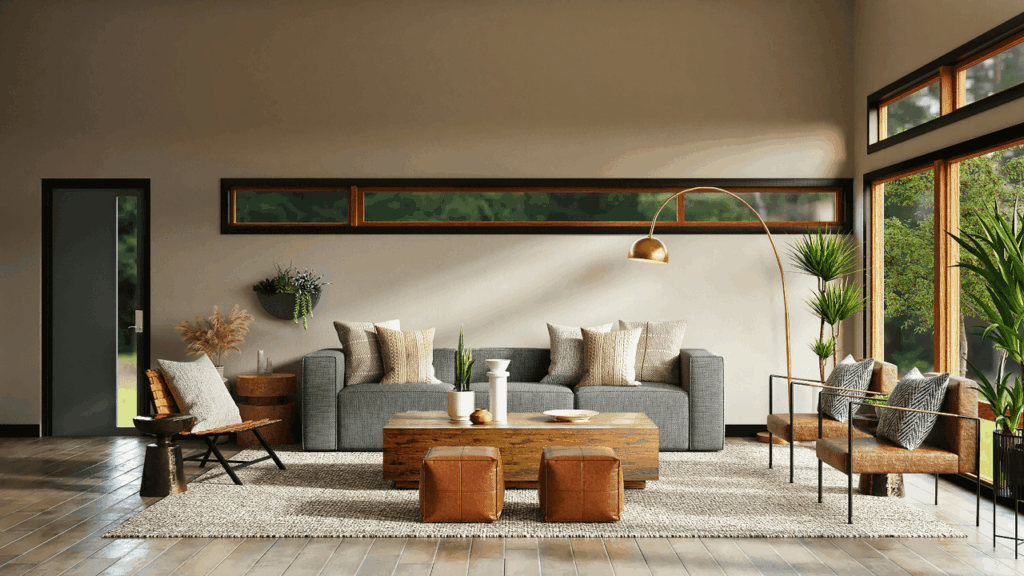
Biophilic design directly connects residents with nature through architecture and interiors inspired by the natural world. Incorporating indoor greenery, living walls, organic shapes, and natural materials like stone and wood fosters a sense of tranquility and belonging. Large windows with views of gardens or trees, along with calming earth tones, support mental restoration and productivity. These elements have been shown to have health benefits, including stress reduction and improved cognitive performance.
Multi-Functional Spaces
Modern homes are trending toward flexible layouts that accommodate a wide range of activities. Rooms that serve multiple purposes, such as home offices that double as guest rooms or living areas that transition easily for entertaining and working, help reduce the need for excessive square footage. This approach not only uses space more efficiently but also conserves materials and lowers energy requirements.
Future Trends in Sustainable Design
The rapid development of new materials and building technologies is driving the industry toward even higher sustainability standards. Net-zero energy homes and advances in carbon-neutral construction materials are expected to gain traction over the next decade. Architectural innovation, inspired by both environmental need and emerging lifestyle demands, will continue to shape the future of sustainable living. Embracing these sustainable design trends allows homeowners to create beautiful, comfortable, and future-proof homes. By making mindful choices about materials, technology, and layout, it is entirely possible to build or renovate a home that is both luxurious and environmentally responsible.
Conclusion
Sustainable home design brings together eco-friendly materials, energy-efficient technologies, and wellness-focused living to create homes that are both responsible and comfortable. By integrating smart systems, conserving water, and choosing natural or recycled materials, homeowners can significantly reduce their environmental impact while improving their daily quality of life. Design elements such as biophilic features, multi-functional spaces, and improved indoor air quality further enhance health and overall well-being. As green building innovations continue to evolve, sustainable homes are becoming more accessible, efficient, and aesthetically appealing. Embracing these principles not only benefits individual households but also contributes to a healthier environment and more resilient communities.