Table of Contents
- Artistic Expressions
- Fashion and Accessories
- Home Décor
- Fly Tying in Angling
- Ethical Sourcing and Sustainability
- Conclusion
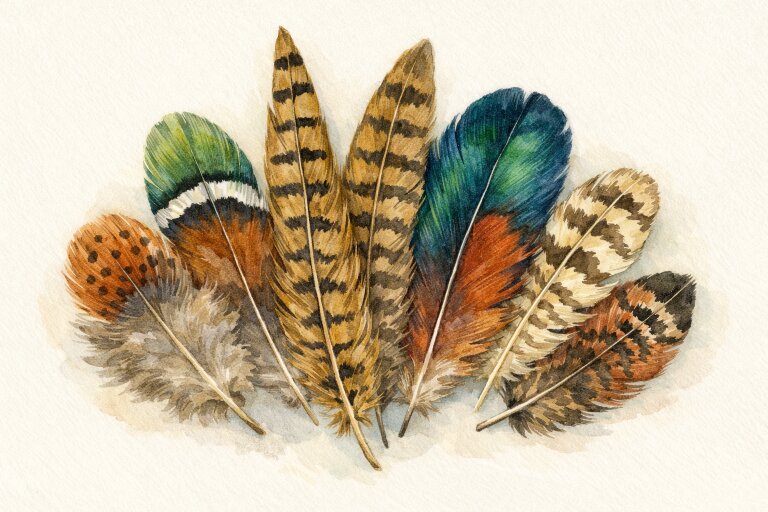
Pheasant feathers stand out with their vibrant colors, intricate patterns, and undeniable charm. Artists and crafters have been drawn to their versatility for generations, finding countless ways to incorporate these natural wonders into expressive and functional creations. Whether used in fine art or everyday décor, ringneck pheasant feathers offer both inspiration and practical appeal to makers and collectors alike. The appeal of pheasant feathers is more than just aesthetic. They carry a sense of tradition, nature, and even luxury, making them a desirable material across various creative fields. The delicate balance between their wild origin and the refinement of their applications makes pheasant feathers a unique muse for artists, designers, and hobbyists.
Artistic Expressions
Pheasant feathers have long been a treasured medium in the visual arts. Their varying lengths, vibrant hues, and subtle iridescence enable artists to experiment with texture and light in ways few other natural materials can rival. For example, Olympia-based artist Chris Maynard uses surgical tools to carve delicate silhouettes from single feathers, resulting in compositions that celebrate both the structural beauty and the narrative potential of avian forms. His work reminds us that nature’s details can inspire entirely new approaches to art. Beyond contemporary artists, historical examples abound where feathers served as precious materials in cultural artifacts. From ceremonial fans and headdresses to detailed mosaics, pheasant feathers have left their mark on traditions across the world. Their presence in both ancient and modern creative expression highlights a universal appreciation for the interplay between the organic and the artistic.
Fashion and Accessories
The fashion world continues to cherish pheasant feathers for their elegance, lightweight nature, and distinctive texture. Designers often use them in high-end millinery, brooches, and accents on clothing or handbags. These natural adornments bring a sense of wild sophistication and can instantly elevate a look from ordinary to extraordinary. Pheasant feathers in fashion are rooted in a deep history, as evidenced in Edwardian hats, Victorian costumes, and Indigenous ceremonial attire across cultures. Today, stylists turn to feathers for symbolic and visual intrigue, continuing the tradition of combining cutting-edge style with elements of nature.
Home Décor
Pheasant feathers deliver a striking blend of rustic warmth and polished charm in home décor. Their unique patterns make them ideal for creating eye-catching wreaths, dramatic centerpieces, and even statement wall art. A simple bouquet of pheasant feathers in a glass vase can transform a space, bridging the gap between outdoor inspiration and indoor elegance. For those interested in DIY projects, guides such as this pheasant feather centerpiece tutorial provide easy ways to incorporate feathers into your dining or living space. Feathers can soften a room’s atmosphere, add a natural touch to otherwise formal settings, and highlight the collector’s appreciation for both artistry and the outdoors. Interior designers favor them not only as centerpieces but also in lamp shades, shadow boxes, and custom wall hangings, supporting the trend of bringing nature indoors.
Fly Tying in Angling
For anglers, the value of pheasant feathers goes far beyond aesthetics. The ringneck pheasant, in particular, provides an array of feather types, each with specific applications in the craft of fly tying. These feathers mimic the look and movement of various aquatic insects, increasing the efficacy of lures and improving catch rates for both casual and dedicated fly fishers. Their adaptability and wide availability make them a staple material in the toolbox of seasoned fly tiers around the globe. Learn more about using ringneck pheasant feathers in fly tying here. The tradition of using pheasant feathers in angling connects civilization’s love of outdoor sports with ancient skills in mimicry, patience, and sustainable harvesting. By respecting these practices, today’s anglers help safeguard both the art and ethics of their pastime.
Ethical Sourcing and Sustainability
As creativity with pheasant feathers grows, so does the importance of responsible sourcing. Many artists and crafters look for suppliers who prioritize feathers collected during natural molting periods or as sustainable hunting byproducts. This ensures that the use of feathers does not endanger wild populations or interfere with ecological balances. Responsible practices help support conservation efforts and preserve the beauty of pheasant feathers for future generations of creators and admirers. By making conscious choices, both creators and consumers play a vital role in maintaining ethical standards in the feather trade. Organizations such as the Audubon Society provide additional guidance for those seeking to ensure that nature’s resources are both cherished and protected.
Conclusion
In summary, pheasant feathers offer unmatched beauty and a wide range of creative possibilities, from gallery-worthy art and fashion accents to cherished handmade keepsakes and functional craft tools. Their natural patterns, rich colors, and unique textures make them a versatile material for both traditional and contemporary designs. Whether used for fly tying, jewelry making, floral arrangements, or decorative art, pheasant feathers continue to inspire artisans around the world. Their use also reflects a deeper connection to nature, encouraging mindful craftsmanship and appreciation for natural resources. Working with these feathers links modern creators to a long-standing legacy of artistry, tradition, and cultural expression. Ultimately, pheasant feathers remain a timeless material that blends elegance, creativity, and nature’s artistry into meaningful and visually striking works.