Recent Trends in the Hemp Sector
Over the past five years, the hemp industry has seen a remarkable resurgence fueled by evolving legislation and an expanding array of consumer applications. Farmers across the United States are increasingly rotating hemp alongside traditional crops, drawn in by robust market projections and sustainability advantages. Notably, the climb in demand for both industrial and consumer hemp products has inspired innovative developments in categories such as personal care, nutrition, and even specialty beverages. For example, the rise of thc infused spirits Florida is emblematic of how hemp-derived ingredients reshape consumer experiences in established markets.
This momentum is matched by increased public attention to hemp’s agricultural and economic potential. As companies explore new uses for hemp, news coverage and industry reports point to staggering growth—global sales of hemp-based products surpassed $5 billion in 2022. Mainstream acceptance is no longer speculative; it’s an economic reality fueling new opportunities across the supply chain.
Technology Drives New Uses for Hemp
Advancements in extraction and processing technologies are unlocking a new era for hemp, moving well beyond traditional textile or CBD markets. Innovative uses like biodegradable plastics made from hemp cellulose are gaining traction among environmentally conscious manufacturers. The construction sector incorporates hempcrete and insulation, capitalizing on the crop’s strength and sustainability. Furthermore, early-stage research suggests that hemp fibers could play a role in battery technologies, hinting at a future where hemp’s industrial utility rivals conventional materials. Greater efficiency in processing and harvesting is making it economically viable for more farmers and startups to participate in these new hemp ventures.
Challenges for Farmers and Producers
Despite exciting prospects, hemp cultivation is not without its barriers. Farmers frequently navigate fluctuating regulations and uncertain market conditions, complicating crop planning and investment. Seed quality remains unpredictable, with inconsistent strains impacting yield and cannabinoid content. Processing infrastructure—especially for specialized applications like fiber and construction—lags behind demand, often creating costly bottlenecks. Additionally, the need for specialized harvesting equipment, unpredictable weather patterns, and evolving compliance standards contribute to the risk calculus for hemp farmers. However, many producers find pathways to stability and growth through information-sharing in industry coalitions and participation in research programs.
Regulatory Landscape: What’s Changing?
Lawmakers continue to revise hemp regulations as the industry matures. Adjustments to allowable THC thresholds and standardized testing practices are common as federal and state governments seek to ensure product safety and market integrity. As covered extensively by platforms like Hemp Industry Daily, ongoing discussions about federal harmonization could pave the way for nationwide standards, reducing confusion for interstate commerce. Producers closely monitor these developments, as compliance requirements directly impact which crops can be brought to market and which innovations can progress.
Market Demand and Product Diversification
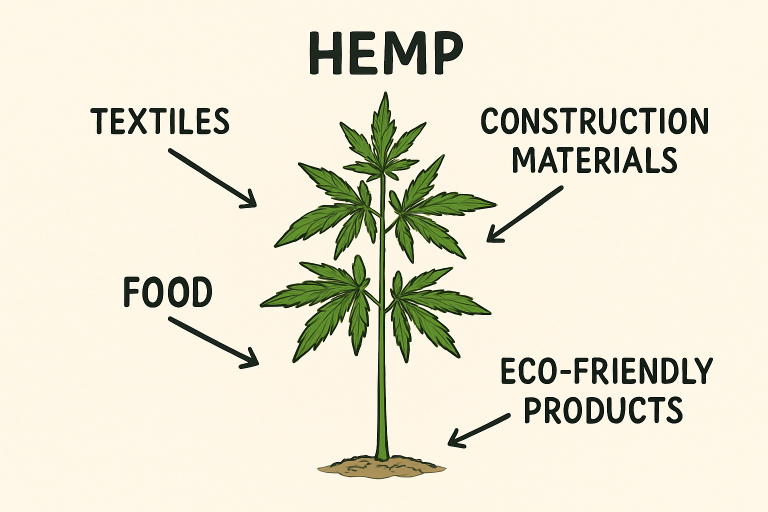
Modern hemp products extend far beyond CBD. In 2023, the textile, health supplement, and food sectors all carved out substantial shares of the overall market. Hemp protein powder, plant-based foods, and even pet treats offer consumers novel, healthier alternatives while broadening the industry’s appeal. Moving ahead, consumer education is integral to promoting these diversified uses and dispelling outdated stereotypes associated with hemp. Retailers and educators increasingly focus on health benefits, eco-friendliness, and the versatility of hemp-derived goods to attract new demographics and spark further innovation.
Sustainability and Environmental Impact
Few crops can match hemp’s environmental credentials. It requires less water than traditional staples and excels in phytoremediation by drawing toxins from the soil, making it a favorite for regenerative agriculture projects. From reducing carbon footprints to supporting pollinator habitats, hemp offers a sustainable path for farmers invested in ecologically responsible practices. The New York Times reports that the sustainable textile movement is increasingly relying on hemp fibers to replace less eco-friendly materials in apparel and other industries.
Future Outlook and Expert Predictions
Market analysts and industry experts envision a future where hemp is a cornerstone crop, not only in agriculture but also across sectors such as building, energy, and consumer goods. As research intensifies and regulatory clarity expands, anticipate increasingly sophisticated supply chains, product safety improvements, and mainstream consumer adoption. While hurdles remain for cultivation and processing, forward-thinking entrepreneurs and tech innovators are poised to shape the industry’s trajectory. The general consensus points toward sustained growth, with hemp’s adaptability and alignment with environmental goals positioning the sector for long-term success.
Resources and Continuing Education
Staying ahead in the rapidly evolving hemp space requires ongoing education and active engagement with up-to-date resources. Reputable news outlets, such as Bloomberg’s Markets section, academic journals, and government agriculture reports, help stakeholders monitor trends and policy changes. Participating in global conferences, virtual webinars, and networking with thought leaders enables new and established industry members to exchange strategies and shape the future landscape of hemp.
Innovation within the hemp industry continues to unlock new avenues for sustainability, wellness, and commerce. From eco-friendly materials to health-focused applications, the opportunities are expanding rapidly. By embracing research, responsible practices, and consumer education, businesses and communities can harness hemp’s potential to drive meaningful growth and long-term positive impact.